
(Originally posted March 31, 2012 in my ‘Being Old’ blog which is now closed.)
I was eight years old, visiting, for the first time, the home of Mom’s oldest sister, my Aunt Bee, and her husband, Uncle Tommy Thomas. Mom had taken me and my sister Diane, age three, on the train from San Francisco south to Newport Beach for a summer vacation before the three of us were to move with Dad to Brooklyn at the end of the year, 1945.
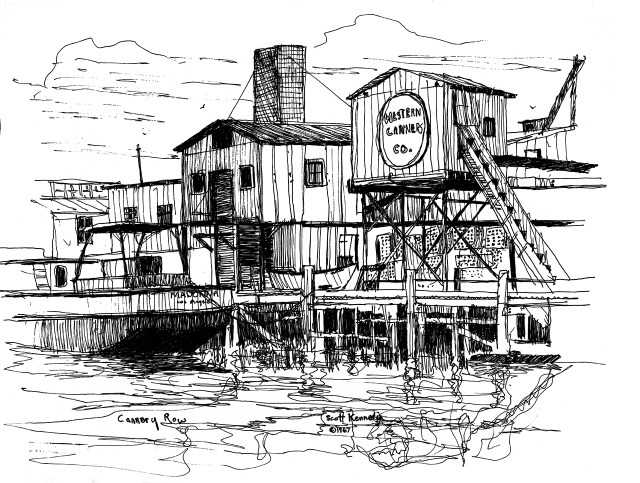
Newport Beach was then a typical California beach town, except it had an important business: the fish cannery which Uncle Tommy managed. He and Aunt Bee lived in a house on the large lagoon, about a mile from the ocean beach.
Soon after we arrived Aunt Bee took Mom, Diane and me to the beach on a sunny day. I had been to the beach at San Francisco, but it is cold and uninviting, other than to run along the surf line almost fully clothed. Newport’s beach was different. It was warm, with lots of people sitting or playing, relaxed and happy in the sunlight.
I was wearing only a pair of swim trunks as I meandered away from the blanket where the rest of the family lay, at around 11 in the morning. I was fascinated with the play of the surf against the beach and walked in it toward the big pier some distance from where we were.
I was aware only of the warmth and brightness of the sun, the play of water against my ankles, the feel of fine sand shifting under my bare feet, and the pleasant sounds of people as I passed by them.
I met a boy, a few years older. We walked together toward the pier. I don’t remember what we talked about, but whatever was said, or not said, it fit completely with everything else.
We found a dead fish bouncing in the surf near the pier. It seemed fresh enough to eat, and I thought I’d bring it back with me as I said goodbye to the boy and turned back toward the place where I had left the family.
I wasn’t in a hurry as I strolled, again in the surf, feeling larger than I had ever felt before. I had never been so free and happy.
“Where have you been?”
This was Aunt Bee shouting at me. She was angry, but I wasn’t afraid. I showed her the fish, but she grabbed it and threw it in the surf. She took my arm and would have dragged me if I hadn’t run to keep up with her.
There was Mom, tearful and looking worried. She grabbed me and hugged so tight I couldn’t breathe.
Aunt Bee angrily warned me about letting someone know where I was at all times. Mom just let me know she was worried about me. That was more important than anything to me.
It was the best day of my life.

 The Pavellas Perspective