
While reading The Storyteller, by Mario Vargas Llosa, I came across this passage which, for reasons still obscure, affected me deeply: “Anger is a disorder of the world, it seems. If men didn’t get angry, life would be better than it is.” I finished the book and the feeling remained, like background music.
Then, a few days later, as I was avidly reading Reluctant Saint: The Life of Francis of Assisi, by Donald Spoto, I was surprised and further affected by reading: “[Francis] and his companions, he said, ‘must be careful not to be angry or disturbed at the sin of another, for anger and disturbance impeded charity in [ourselves] and others.'”
 I know there is a message for me here. I have often reviewed, with regret, times when I have allowed anger and related emotions to rule me. I cannot remember having made a correct decision or having taken a correct action when anger was uppermost in me.
I am especially harmful to myself and possibly others, while assuring the reader it is not in my nature to initiate physical violence, when I am in a state of righteous anger or indignation, ‘knowing’, in the moment, I am right and that someone else is wrong. This notion extends even to irritation with others when I am doing what I think is best and when I get ‘helpful’ suggestions without asking for them.
I have since resolved to attend promptly to all instances of anger, in whatever degree manifested, and to deal with them harmlessly. I conducted some Internet research toward this end.
The subject of anger has been considered, deeply, by writers and philosophers—even saints.
Seneca regarded anger as a form of madness. He says this emotion is:
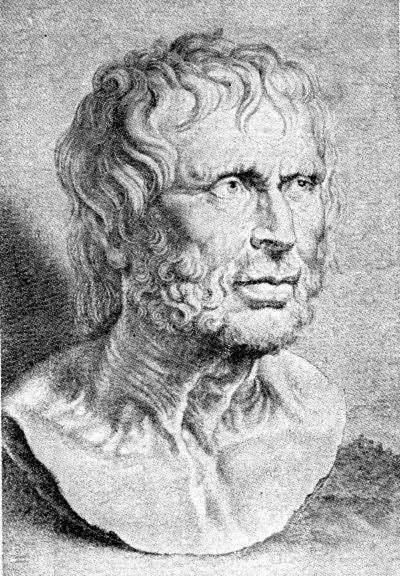
…wholly violent and has its being in an onrush of resentment, raging with a most inhuman lust for weapons, blood, and punishment, giving no thought to itself if only it can hurt another, hurling itself upon the very point of the dagger, and eager for revenge though it may drag down the avenger along with it….it is equally devoid of self-control, forgetful of decency, unmindful of ties, persistent and diligent in whatever it begins, closed to reason and counsel, excited by trifling causes, unfit to discern the right and true-the very counterpart of a ruin that is shattered in pieces where it overwhelms.
…there is nothing useful in anger, nor does it kindle the mind to warlike deeds; for virtue, being self-sufficient, never needs the help of vice.
And again, to the assertion that anger is necessary for politics and warfare, Seneca responds:
…what use is anger when the same end may be accomplished by reason? Anger is not expedient even in battle or in war; for it is prone to rashness, and while it seeks to bring about danger, does not guard against it. [Source of quotations].
Geoffrey Chaucer, in The Summoner’s Tale, has this to say:
 Anger’s a sin, one of the deadly seven,
Abominable unto the God of Heaven;
And it is sure destruction unto one.
This every vulgar vicar or parson
Can say, how anger leads to homicide.
Truth, anger’s the executant of pride.
I could of anger tell you so much sorrow
My tale should last until it were tomorrow.
And therefore I pray God both day and night,
An ireful man, God send him little might!
It is great harm and truly great pity
To set an ireful man in high degree.
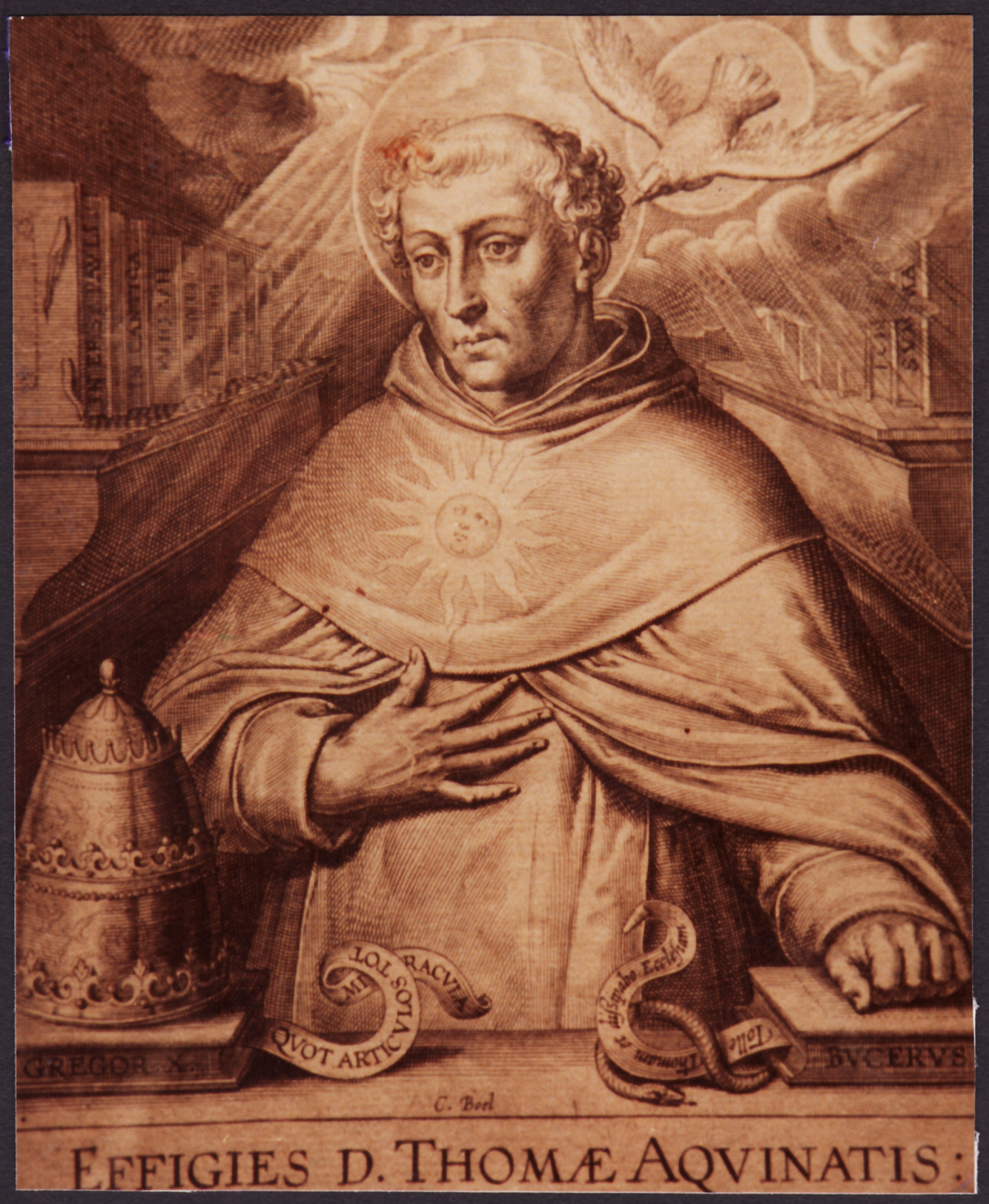
In Aquinas Ethicus, the Moral Teaching of St. Thomas Aquinas, I find:
Article II., § 2. Everything must necessarily be weakened by time, the cause of which is impaired by time. Now it is manifest that the memory of events is impaired by time, for events of ancient date easily drop from memory. But anger is caused by memory of wrong done, a cause which is gradually impaired by time, until it altogether disappears. A wrong also seems greater when it is first felt; and gradually the estimate of it is diminished the further we recede from the present sense of wrong. And it is the same case with love, if the cause of love remain in memory alone. Hence the Philosopher says that “if the friend’s absence lasts long, it seems to produce forgetfulness of the friendship.” But in the presence of the friend the cause of friendship is multiplied by time, and therefore the friendship grows. And the same would be the case with anger, if the cause of it were continually multiplied. Yet this very fact of anger quickly burning itself out attests the vehemence of its fury. For as a great fire is soon out, having consumed all the fuel, so anger soon dies away.
In scanning advice from anger management counselors and others in the realm of psychology, it seems that anger can be dissipated by taking physical action that is not harmful to others, such as running, hitting an inanimate thing (e.g., a punching bag), and other substitutes for acting against living beings.
I stopped my research here and came to these conclusions:
1. Anger is a fire that, if left to itself without carrying it beyond its initial borders (that is, the narrow space surrounding one’s own body), it will burn out over time. This containment will include not sending verbal messages and physical indications of anger toward any other person or entity.
2. A person who takes action in a state of anger will harm all proximate parties, and possibly others in contact with them.
3. It is best, therefore, first, to quickly recognize when one is in a state of anger and, second, to take action to contain the anger within oneself and dissipate it through time and other methods, such as harmless physical action.
The question of the possible value of anger, if used or manifested in certain prescribed ways, are refuted by the theologians and philosophers who have addressed this subject.
—
N.B.: I would like to hear from anyone working in the realm psychology or a related discipline who disagrees with the theologians and philosophers on this latter subject.
 From
From 
 In addition to The Road to Oz another favorite of mine is Rinkitink in Oz, King Rinkitink of Gilgad is a
  A major point in this book is that Dorothy Gale of Kansas is not the main character, as she is in so many others–and he is a boy. There is another book where the main character starts out, from our view, as a boy but is later transformed back into his original condition as Ozma, The Royal Princess of Oz. This occurs in the second Oz book, The Marvelous Land of Oz, the only book in which Dorothy Gale does not appear.
 The Pavellas Perspective